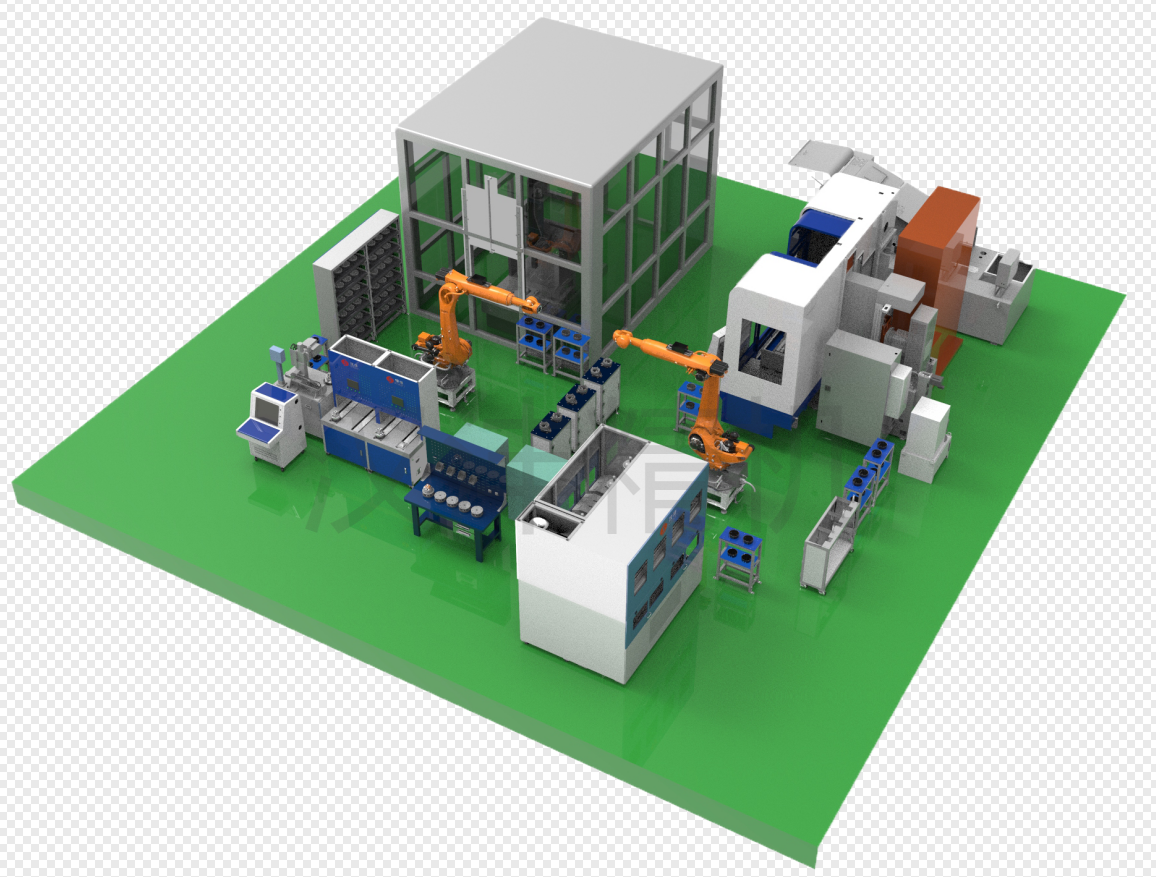
In today's highly digitalized era, intelligent flexible manufacturing production lines have become a key development direction for the manufacturing industry. The following is an overview of intelligent flexible manufacturing production lines, covering automation and intelligence, modular design, data analysis, and the industrial internet and Industrial IoT.
1.Automation and Intelligence
With the advent of Industry 4.0, automation and intelligence have become defining features of manufacturing production lines. Automation means using mechanical equipment and automatic control systems to complete production tasks, improving efficiency and quality. Intelligence refers to applying technologies such as deep learning, computer vision, and data mining to give production lines self-learning and self-adjusting capabilities, so they can adapt to different production environments and demands. In terms of automation and intelligence, production lines have begun deploying transport equipment (e.g., robots, AGVs), automated manufacturing equipment, and sensing equipment (e.g., smart sensors) to realize automated and intelligent production. At the same time, cloud computing and big-data technologies are used to integrate and analyze data across all production steps, enabling visualization and overall optimization of the production process.
2.Modular Design
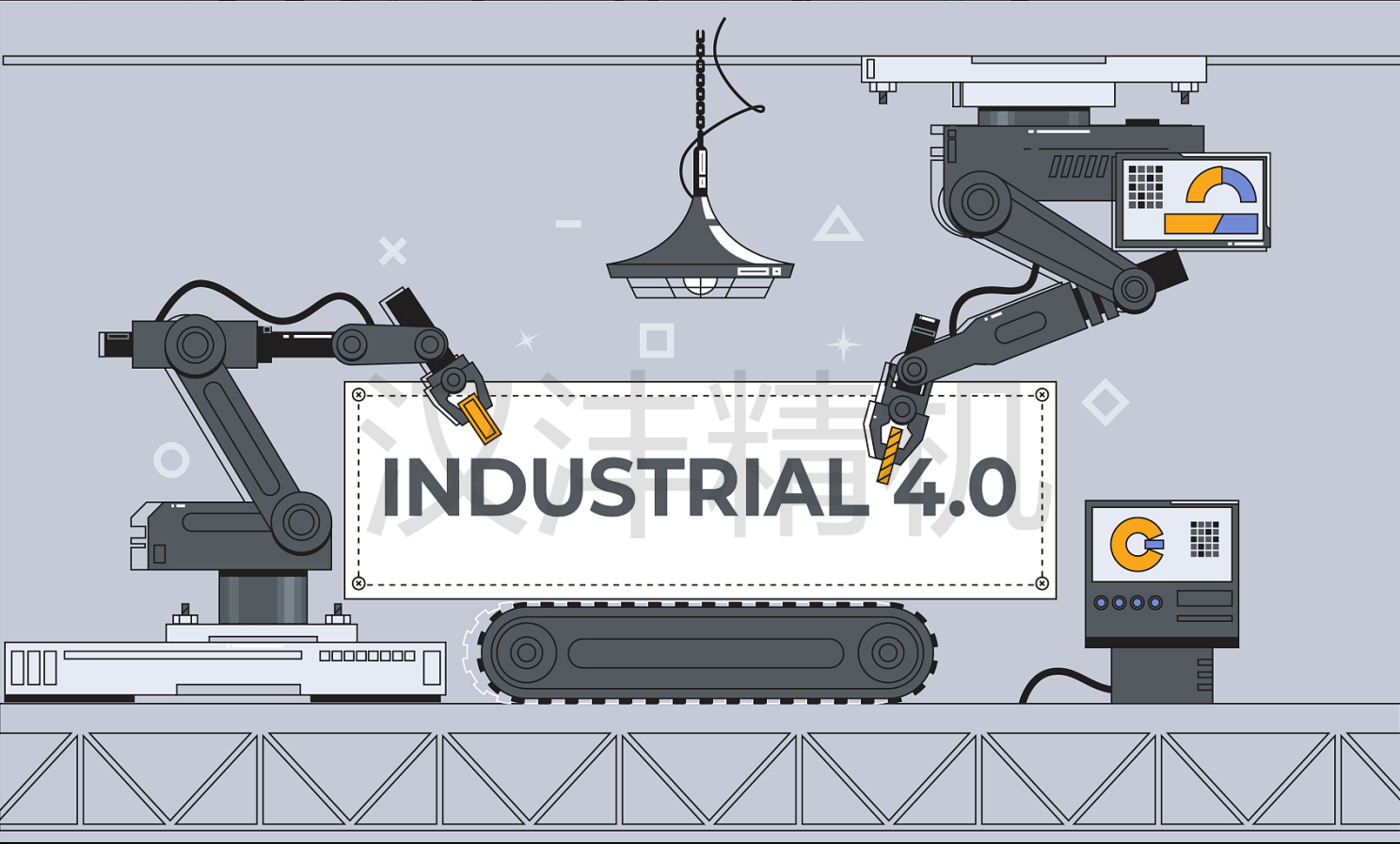
Modular design is based on functional analysis of products with different functions—or the same function but different performance and specifications—within a given range, then partitioning and designing a series of functional modules. Through the selection and combination of modules in modular design, manufacturers can respond more flexibly to market changes and customer needs. Modular design is widely applied in intelligent flexible manufacturing production lines. By decomposing a line into several independent modules, manufacturers can easily expand and upgrade the entire line through module optimization. At the same time, by selecting and combining different modules, manufacturers can rapidly produce customized products to meet diverse customer requirements.
3.Data Analysis
4.Industrial Internet and Industrial IoT
The Industrial Internet is a system that connects and integrates industrial equipment, production processes, and enterprise resources via the internet. Through technologies such as the IoT, cloud computing, big data, and artificial intelligence, it achieves efficient communication and collaborative work between devices, systems, and humans. It encompasses the device, network, platform, software, and application layers, plus an overall industrial security system, realizing comprehensive interconnection of "people, machines, and things." The Industrial IoT emphasizes "thing-to-thing" connectivity and is the foundation of the Industrial Internet. It connects the device and network layers, laying a solid groundwork for the platform, software, and application layers, and opens up the key data flows within the Industrial Internet from the bottom up. In intelligent flexible manufacturing production lines, the Industrial Internet and Industrial IoT are widely used for equipment connectivity, data transmission, remote management, and early-warning monitoring. Through them, manufacturers can effectively avoid faults, ensure product quality and stability, improve production efficiency, and enhance product quality. At the same time, they also enable information sharing and collaborative work across different enterprises and all links of the supply chain, achieving overall optimization of the production process.
In summary, intelligent flexible manufacturing production lines are a vital direction for the development of manufacturing. As exploration and refinement of production lines continue, we believe that in the near future they will serve human society even better and play an important role in driving economic growth.