Digital Twin
Solution Introduction
HF-DTwins® Digital Twin Central Control System Platform
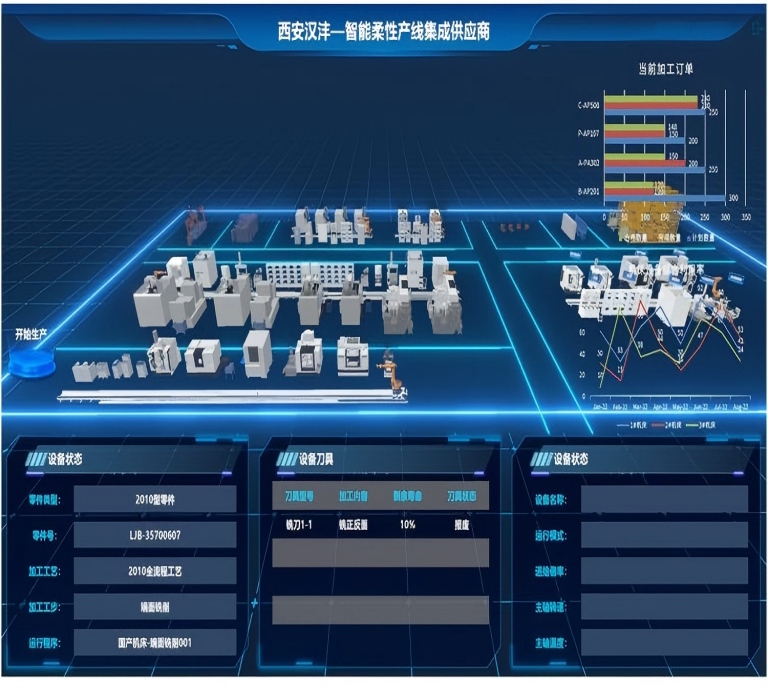
HF-DTwins® The digital twin central control system platform is a full chain digital control platform designed for intelligent manufacturing scenarios, with a 1:1 high-precision digital twin model of the physical production line as the core, achieving precise mapping between virtual and real. Relying on IoT terminals to collect multi-source data in real-time, building a real-time data-driven system, forming a bidirectional interactive closed-loop optimization capability of "perception analysis decision execution", fully covering the entire life cycle control of the production line, supporting flexible customization and compatibility with multiple scenarios, providing differentiated role interfaces and industry solution templates, flexible deployment, and easy expansion, creating a transparent, predictable, and optimized intelligent production line control center for enterprises, fully supporting the digital transformation of enterprise intelligent manufacturing
Technical Features

Differentiated scenario adaptation, flexible support for multi role and multi production line requirements
The system supports user-defined information display hierarchy, data monitoring indicators, and 3D display effects. It can provide differentiated visual interfaces according to the needs of different roles such as operators, technicians, and managers. Built in templates for various industry solutions such as grinding and milling composite production lines, turning and milling production lines, and electrical machining lines, which can quickly adapt to different types of automated production lines without the need for zero development, flexible deployment, and convenient expansion

The precipitation of data throughout the entire process supports predictive maintenance and ensures stable operation of the production line
The digital twin model runs through the entire process of production line design, manufacturing, testing, operation, maintenance, and scrapping, accumulating data at each stage to achieve traceability of production history, full mastery of current status, and predictability of the future. By relying on real-time operational data and health profiles of equipment, we can accurately predict potential equipment failures, support remote status monitoring and maintenance guidance, achieve a transition from "post maintenance" to "predictive maintenance", effectively avoid unplanned downtime risks, and ensure the continuous, safe, and stable operation of production lines
Virtual real integration closed-loop control, achieving continuous optimization of process and quality
The system integrates multiple sources of data such as real-time CNC status, process parameters, sensor data, and three-dimensional detection results. It uses virtual real data fusion algorithms to achieve dynamic model iteration, and is paired with an AI decision engine to achieve automatic optimization of process parameters. Real time collection of key parameters and product quality status during the processing, and early warning of abnormal risks; After processing is completed, process review and optimization are carried out based on the entire process data. The generated optimization instructions can be directly fed back to the physical production line, forming a closed-loop control of "perception analysis decision execution", achieving a reduction in defect rate and improving quality traceability efficiency

Real time data-driven production line optimization, maximizing the utilization of production line resources
Through IoT sensors PLC、 Robots, detection systems, and other terminals transmit real-time and continuous status data of physical entities such as temperature, pressure, position, and performance parameters to the digital twin, ensuring dynamic synchronization between the virtual model and the physical world. Relying on real-time data-driven, the system can accurately identify production bottlenecks, optimize process rhythm and scheduling plans, reduce equipment idle and process waiting; Simultaneously supporting dynamic scheduling and adjustment based on real-time data, quickly responding to production changes such as insertion and modification of orders, maximizing the utilization of production line resources, and improving equipment utilization

1: 1. High precision digital twin modeling, achieving full transparency and visualization of production line status
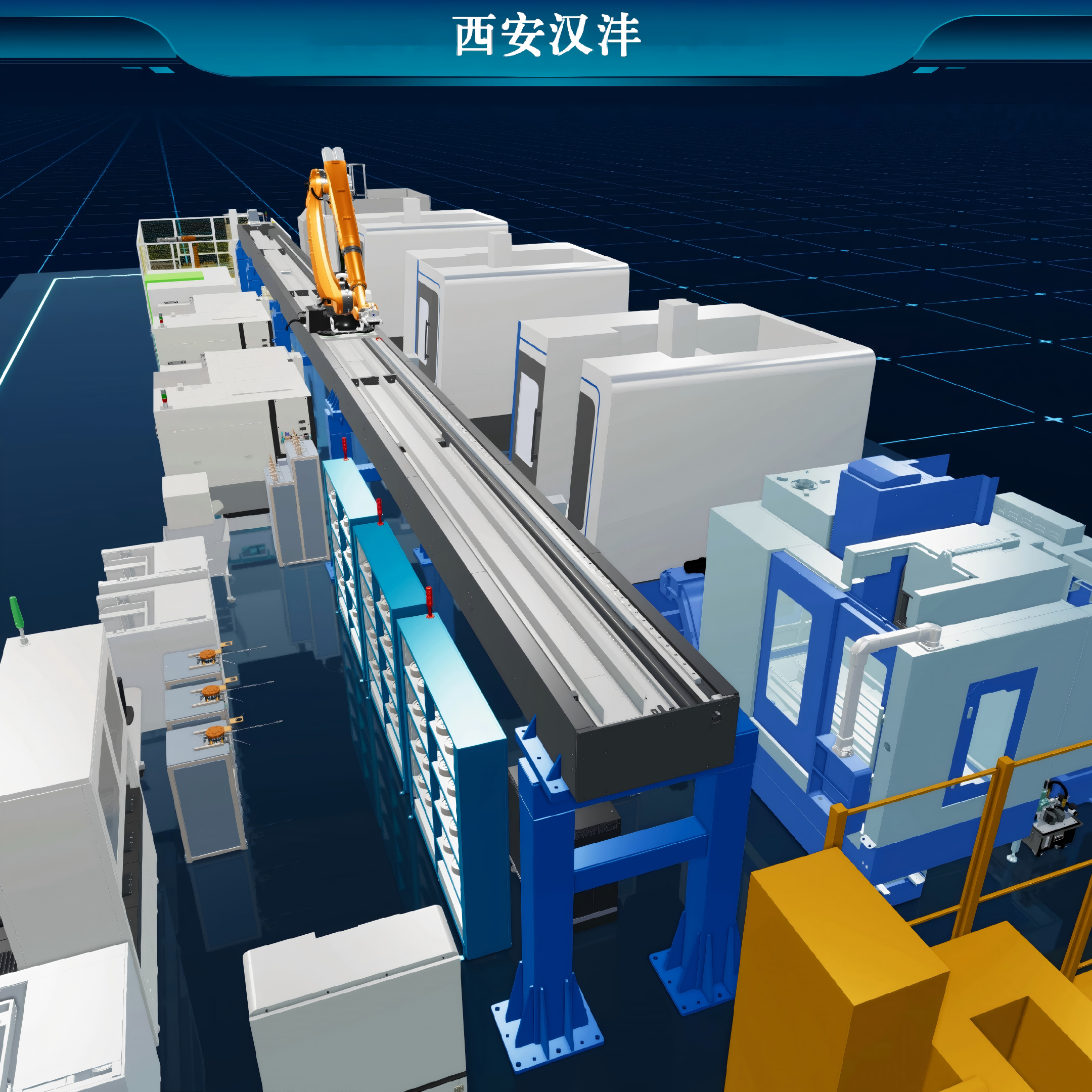
Building a 1:1 high-precision digital twin model of a physical production line not only replicates the geometric shape of equipment and production lines, but also covers the full dimensional mapping of physical attributes, operating rules, status data, and environmental factors. Visualize the full dimensional core data of production line materials, storage locations, equipment, processing, quality, orders, faults, etc. through various forms such as 3D models, charts, videos, etc., to achieve full transparency, monitoring, and traceability of production line status, providing global decision-making basis for management
Core Value
Flexible and Efficient Adaptability
With flexible customization and multi scenario compatibility capabilities, it can quickly adapt to different types of production lines and the needs of various job roles, significantly reducing system development and deployment costs, supporting enterprises to flexibly respond to production changes, and fully supporting the digital transformation of intelligent manufacturing
Stable and Controllable Production Line
The full lifecycle control realizes the transformation from "post maintenance" to "predictive maintenance", accurately predicting equipment failure hazards, avoiding unplanned downtime risks, and comprehensively ensuring the continuous, safe, and stable operation of the production line
Process Quality Upgrade
Through bidirectional interactive closed-loop optimization, automatic optimization of process parameters and early warning of production abnormalities are achieved, effectively reducing the rate of defective products, improving quality traceability efficiency, and effectively solving the problems of difficult optimization of traditional production line processes and weak quality control
Management Transparency
Driven by real-time data, accurately identify production bottlenecks, optimize process rhythm and scheduling plans, reduce equipment idle and process waiting time, quickly respond to production changes such as insertion and modification, maximize production line resources, and significantly improve equipment utilization
Management Transparency
依托虚实精准映射与全维度可视化呈现,实现产线状态全掌握、生产历史可追溯,为管理层提供全面、直观的全局决策依据,有效解决传统产线状态不透明的核心痛点