Quality Inspection Solution
Solution Introduction
Solution Introduction
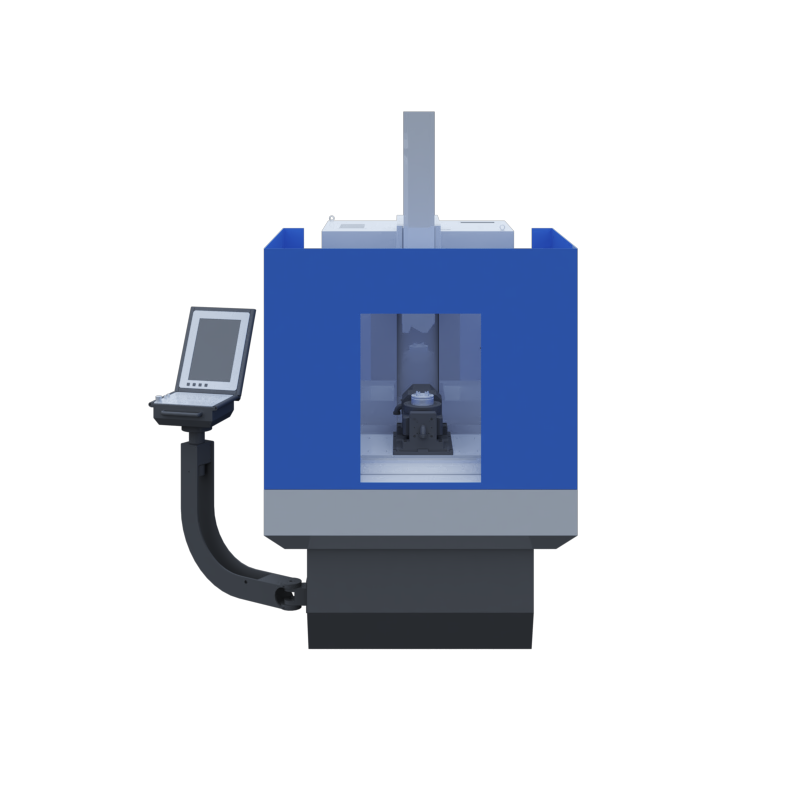
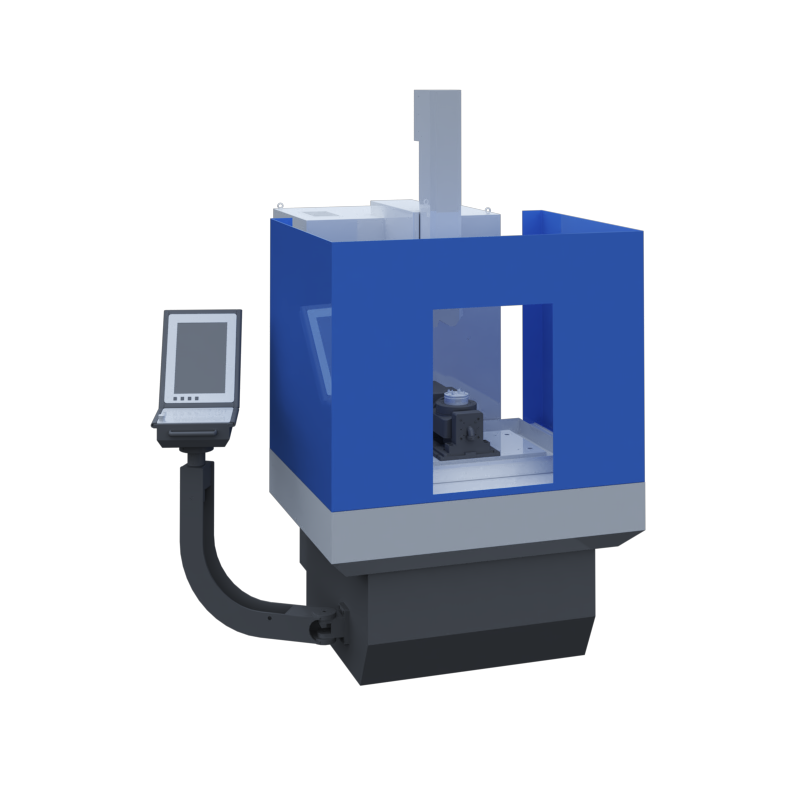
This solution targets machining scenarios of complex curved-surface parts such as aero-engine blades, creating an integrated solution for digital inspection and machining compensation. It enables integrated inspection of complex curved-surface parts and is adaptable to various types of aero-engine blades, including high-pressure turbine blades and fan/compressor blades, meeting their quality control and machining inspection requirements. Relying on relative coordinate system scanning technology, it completes the full process of part scanning, point cloud 3D modeling, and model reverse reconstruction, featuring high flexibility and adaptability. Adopting optimal fitting pose adjustment compensation machining and an inspection-machining linkage mechanism, it accurately solves compensation values to link with machine tool pose adjustment machining, correcting machining deviations. Relying on an adaptive hole layout algorithm, it can precisely inspect and analyze core critical parameters such as blade film hole positions, leading edge profiles, and torsional deformation, realizing adaptive machining hole layout calculation.
Technical Features

Precise Inspection of Key Parameters for Complex Surface Features
Addressing the requirements of aero-engine blades, and relying on CHINAF's adaptive hole layout algorithm, it enables precise inspection and analysis of core critical parameters such as film cooling hole positions, leading edge profiles, and torsional deformation, meeting stringent quality control standards.

Optimal fitting pose adjustment compensation machining, supporting inspection-machining linkage.
Relying on the inspection-machining linkage mechanism, the system utilizes CHINAF's self-developed inspection software to calculate the deviation between the raw material profile and the standard digital model. Through optimal fitting comparison, it accurately solves for compensation values and links with the machine tool to complete pose adjustment machining, thereby correcting machining deviations.

Relative coordinate system scanning, featuring high flexibility and strong adaptability.
Relying on relative coordinate system scanning technology, it fully realizes the complete workflow of part scanning, point cloud 3D modeling, and model reverse reconstruction. The system features operational flexibility, simplified management and maintenance, and high reliability, adapting to the high-precision inspection requirements of complex curved-surface parts.

Integrated Inspection of Complex Curved-Surface Parts
Focusing on complex curved-surface parts such as aero-engine blades, it enables integrated inspection, is adaptable to multiple categories of blades including high-pressure turbine blades and fan/compressor blades, and comprehensively satisfies the quality control and machining inspection requirements of such complex parts.
Core Value
Precise Empowerment, Meeting Stringent Standards
Precise inspection of core critical parameters and adaptive hole layout calculation perfectly align with the stringent quality control requirements of aero-engine blades, supporting the efficient progression of the entire adaptive machining process.
Closed-loop control for precision, ensuring machining accuracy.
Inspection-machining linkage combined with optimal fitting pose adjustment compensation forms a closed-loop precision assurance system, effectively correcting machining deviations and facilitating high-precision machining of complex curved-surface parts.
Flexible and efficient, reducing operation and maintenance costs.
Relative coordinate system scanning technology combines high flexibility and strong adaptability, simplifying operational procedures, reducing the difficulty of system management and maintenance, and enhancing inspection efficiency and reliability.
Adaptable to complex scenarios, covering multi-category requirements.
Precisely adapts to complex curved-surface parts such as various types of aero-engine blades. The integrated inspection mode eliminates the need for additional inspection equipment, comprehensively covering the full-scenario requirements of quality control and machining inspection.